PHYSICAL SECURITY & ASSET PROTECTION

Protecting People, Property and the Assets That Sustain Your Organization

Every organization has assets that are essential to its success. Some are immediately visible—employees, buildings, vehicles, equipment, inventory and valuable property. Others are less visible but equally important—business continuity, operational capability, information, reputation and customer confidence.

SRK Worldwide Consultants LLC provides physical security and asset-protection consulting intended to help clients identify vulnerabilities, strengthen safeguards and establish practical layers of protection appropriate to their operations.

Protection Begins With Understanding the Asset

Before deciding how something should be protected, an organization should understand:

What is being protected?
Why is it important?
What could reasonably threaten it?
Where is it most vulnerable?
What protections already exist?
What would be the operational consequence if it were damaged, stolen, disrupted or made inaccessible?

This asset-based approach allows security resources to be directed toward genuine requirements rather than applying the same solution everywhere.
gettyimages-169726301-2048x2048

Layered Physical Security

Effective physical security generally does not depend upon one barrier, one security officer, or one technological device.

Protection becomes stronger when complementary measures work together.

Depending upon the property and identified risks, these layers may include:

  • Property boundaries and perimeter measures
  • Lighting and visibility
  • Controlled entrances and exits
  • Doors, locks and appropriate physical barriers
  • Visitor-management procedures
  • Employee and contractor credentials
  • Alarm and monitoring systems
  • Video surveillance where appropriate and lawful
  • Security personnel
  • Key and credential management
  • Parking and vehicle controls
  • Restricted-area protection
  • Incident-reporting procedures
  • Emergency communications

The objective is to create an integrated security environment in which weaknesses in one layer can be supported by another.
gettyimages-1359623584-2048x2048

Perimeter Security

Security begins before an individual reaches the front door.

Property boundaries, parking facilities, exterior approaches, landscaping, pedestrian routes, vehicle entrances, loading areas and lighting can influence the overall security environment.

A physical security review can examine whether these areas provide appropriate visibility and access management and whether unnecessary vulnerabilities exist.

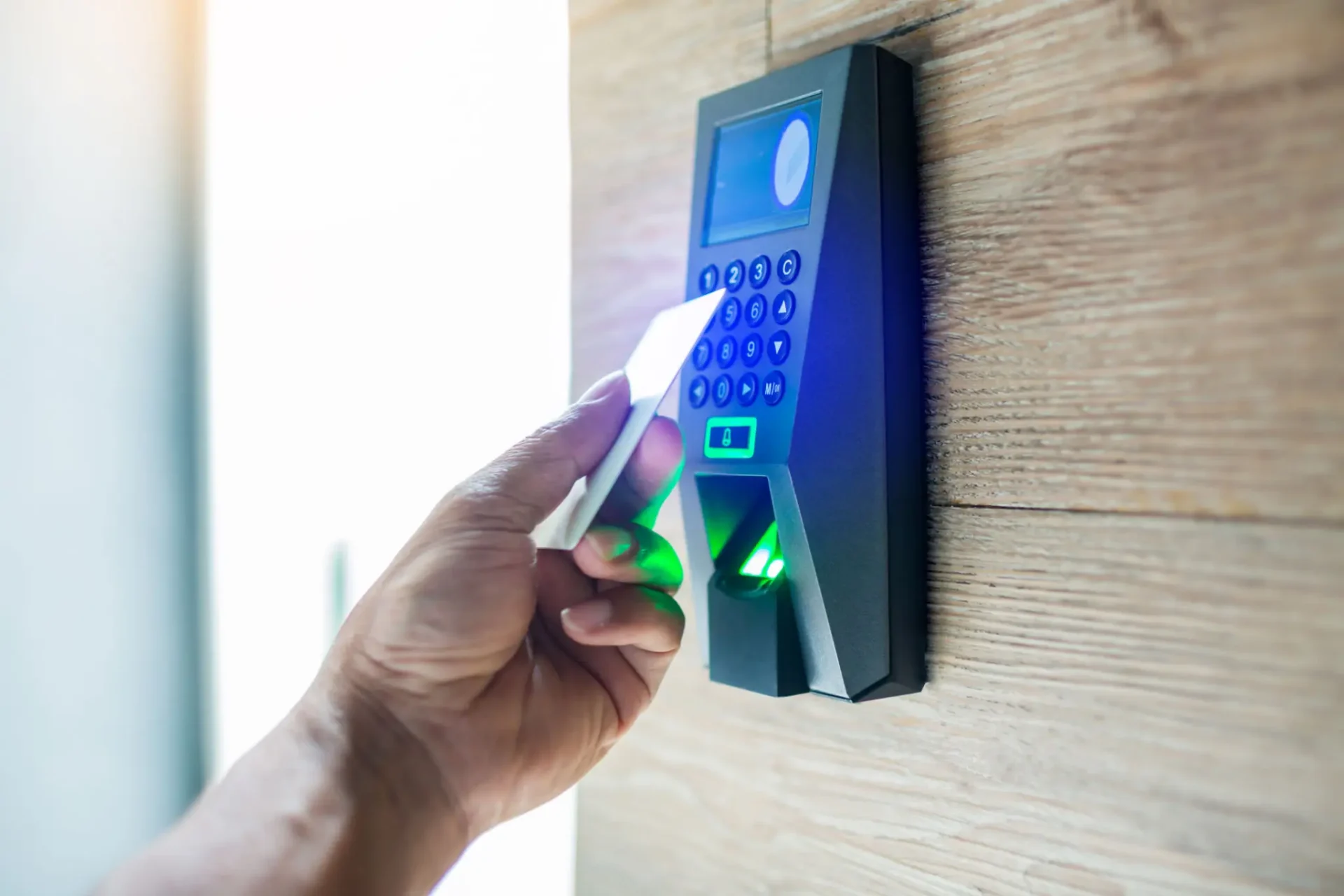
Access Control

Not every person requires access to every area of a facility.

A well-managed access-control program seeks to establish:

  • Who may enter?
  • Where may they go?
  • When is access permitted?
  • How is authorization verified?
  • How is access withdrawn when it is no longer required?

This may involve employees, customers, residents, visitors, contractors, vendors, delivery personnel and temporary workers.

Access procedures should strengthen protection while remaining practical for legitimate users.
gettyimages-1151627487-2048x2048

Doors, Locks and Restricted Areas

Basic physical safeguards remain important even in an age of sophisticated security technology.

Doors, locks, gates, windows, barriers, electronic credentials and restricted-area controls should correspond to the importance and vulnerability of the area being protected.

Particular attention may be appropriate for locations containing valuable property, equipment, sensitive records, operational systems or other critical assets.

Protecting Valuable Property

Asset protection may apply to:

  • Commercial facilities
  • Corporate offices
  • Residential properties
  • Warehouses
  • Vehicles and transportation assets
  • Equipment and machinery
  • Inventory and merchandise
  • Valuable objects
  • Cultural and institutional property
  • Operational resources
  • Client-specific assets

Measures should be proportionate to the value, vulnerability and operational importance of the asset.

Security Technology

Modern security technology can significantly enhance physical protection.

Depending upon the client's requirements, technology may include electronic access control, video surveillance, intrusion detection, alarms, sensors, communications equipment and centralized monitoring.

Technology, however, should always serve a clearly defined security purpose.

  • A camera does not replace a procedure.
  • An alarm does not replace a response plan.
  • An electronic credential does not replace responsible access management.
  • Technology does not replace professional judgment.

SRK's philosophy is to integrate appropriate technology with people, procedures, physical safeguards and management oversight.

gettyimages-1178329352-2048x2048

Asset Protection and Loss Prevention

Asset protection is also about reducing opportunities for unnecessary loss.

Potential concerns can include theft, unauthorized access, vandalism, property damage, misuse, inventory loss, poor accountability and operational disruption.

Procedural improvements—such as stronger key control, better inventory accountability, improved visitor management, appropriate employee awareness and clearer incident reporting—can sometimes produce meaningful improvements without substantial capital expenditure.

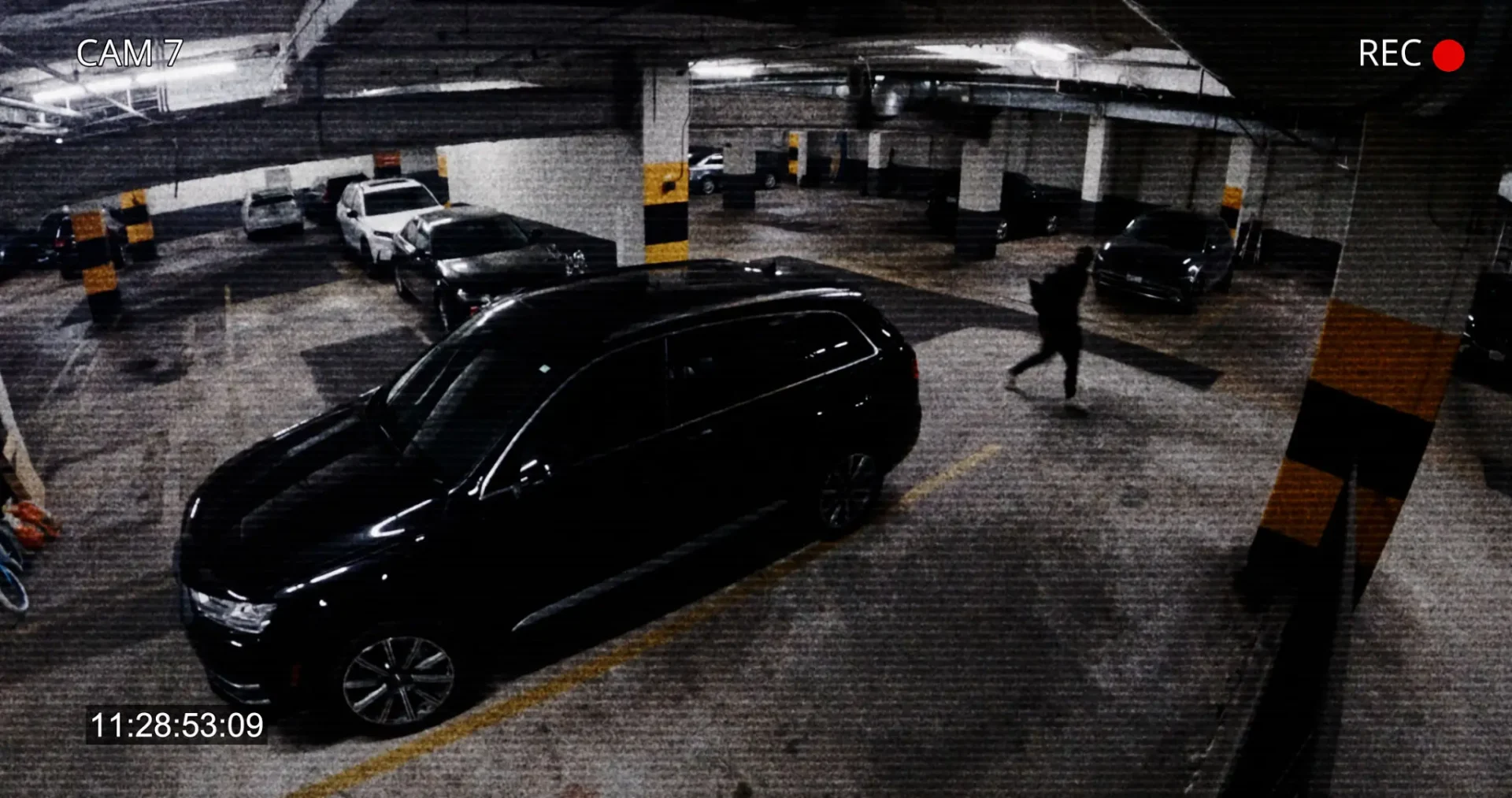
Parking, Vehicles and Exterior Assets

Vehicles, parking facilities, loading areas and exterior equipment are frequently part of an organization's operational environment.

Security planning may consider lighting, visibility, authorized parking, vehicle access, deliveries, loading procedures, pedestrian movement and after-hours conditions.

These areas should be incorporated into the broader security assessment rather than considered separately from the facility.
gettyimages-2291180178-2048x2048

Protecting People Remains the Priority

Buildings and equipment can often be repaired or replaced.

Human life cannot.

Physical security planning should therefore recognize that the protection of employees, residents, customers, visitors, contractors and other legitimate users remains a fundamental priority.

Security measures should also comply with applicable fire, building, accessibility and life-safety requirements.

Protection should never create a different and potentially more serious hazard.

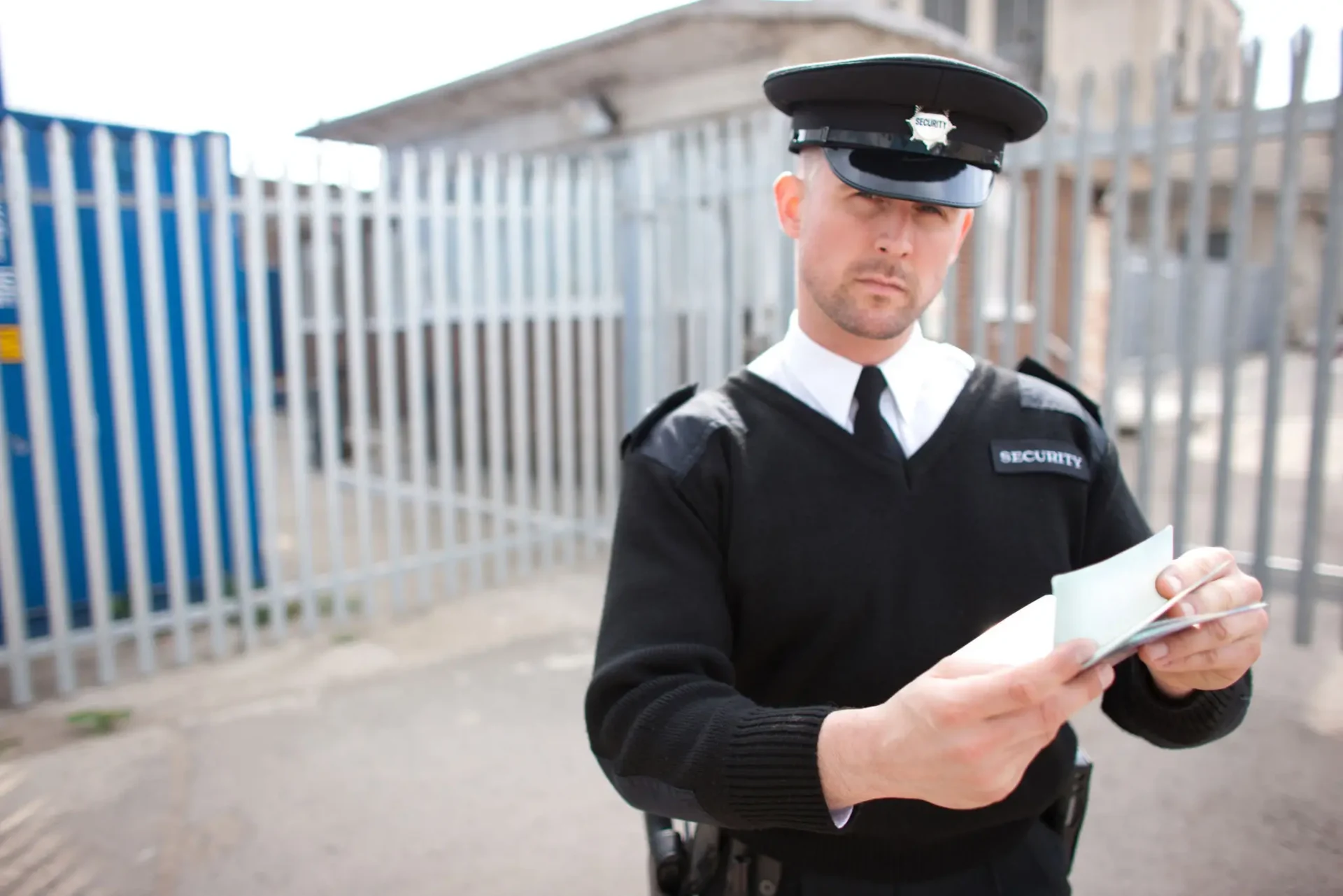
Security Personnel

Where security personnel are appropriate, their duties should be clearly defined.

Responsibilities may include observation, access management, patrol, customer assistance, incident reporting, monitoring, property protection and support during emergencies.

Staffing decisions should be based upon the actual operational requirement rather than simply increasing the number of personnel.

Physical Security Assessment

Depending upon the client's requirements, an SRK physical-security assessment may examine:

  • Perimeter conditions
  • Entrances and exits
  • Access-control arrangements
  • Doors and locking systems
  • Lighting and visibility
  • Parking and vehicle access
  • Visitor procedures
  • Restricted areas
  • Security technology
  • Alarm arrangements
  • Security personnel requirements
  • Key and credential management
  • Emergency communications
  • Incident-reporting procedures
  • Operational vulnerabilities

Findings can then be organized according to practical priorities.

Prioritizing Improvements

Not every recommendation requires immediate implementation.

A useful security improvement program can distinguish among:

Immediate Priorities

Conditions that may warrant prompt attention because they represent significant or readily correctable vulnerabilities.

Near-Term Improvements

Procedural, operational, technological or staffing improvements that can be incorporated into normal planning and budgeting.

Long-Term Development

Larger projects that may involve capital investment, facility modification, technology integration or broader management decisions.

This allows clients to strengthen security systematically rather than attempting to address every issue simultaneously.

Cost-Effective Protection

The most expensive security system is not automatically the best security system.

Good physical security seeks an appropriate relationship among:

Risk • Protection • Operations • Technology • Personnel • Cost

Some risks may require sophisticated protective measures.

Others may be reduced through improved procedures, better lighting, clearer access rules, staff awareness or relatively modest physical improvements.

The objective is effective protection—not unnecessary expenditure.

The SRK Approach

SRK Worldwide Consultants LLC approaches physical security through a continuing management process:

  • IDENTIFY what requires protection.
  • ASSESS the threats, hazards and vulnerabilities.
  • PRIORITIZE the most important requirements.
  • PROTECT through appropriate physical, procedural, personnel and technological measures.
  • PREPARE for incidents that cannot reasonably be prevented.
  • REVIEW the system as operations, assets and risks change.

Protect What Matters

Physical security is ultimately about confidence.

Employees should feel that reasonable measures have been taken to protect their workplace.

Customers and visitors should encounter an environment that is professional and appropriately managed.

Property owners should understand their vulnerabilities.

Management should know where security resources are being used and why.

And organizations should be better prepared when an unexpected event occurs.

Protect the Asset.

Control the Access.

Reduce the Vulnerability.

Strengthen the Protection.

SRK Worldwide Consultants LLC

Physical Security • Asset Protection • Risk Assessment • Access Control • Loss Prevention • Security Management

Safe Life – Safe-Communities

Contact SRK Worldwide Consultants LLC to discuss a Physical Security & Asset Protection assessment.

Security recommendations and services are subject to individual assessment, applicable laws and regulations, licensing requirements, contractual terms and client circumstances. Security measures can reduce risk but cannot eliminate all risks or guarantee prevention of every incident.